
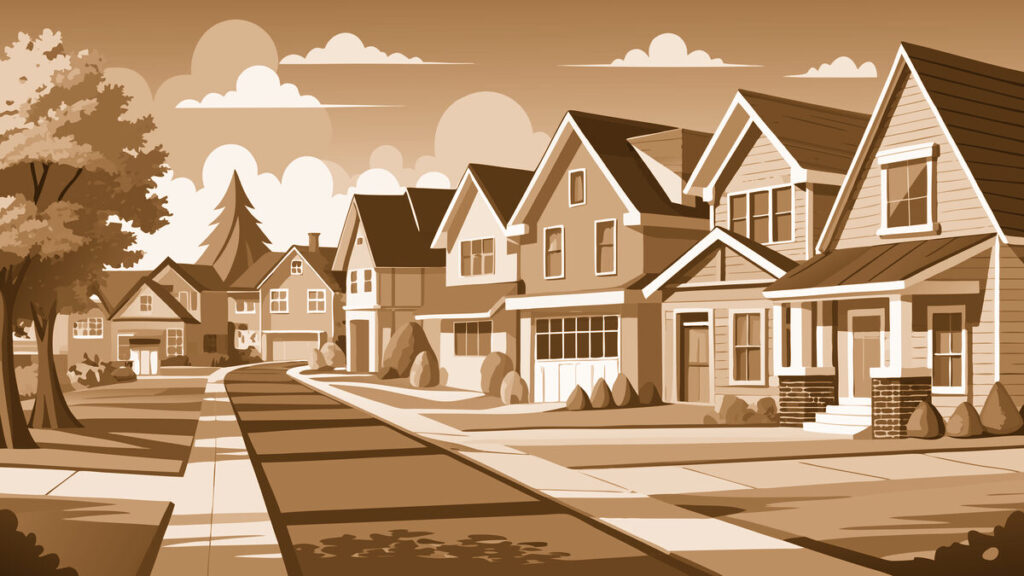
San Juan Capistrano is best known for its mission, swallows, and a tapestry of history woven into every street and hillside. Nestled in the hills just northeast of downtown is Capistrano Estates—a neighborhood that, while more secluded than its historic neighbors, carries its own remarkable legacy and charm. For residents and curious visitors alike, knowing the history of Capistrano Estates is to better understand the vibrant soul of San Juan Capistrano.
Origins: Roots in Rancho Lands
The story of Capistrano Estates begins long before the first homes dotted Via Buena Vista and Via Cerro—the main arteries of the community. The land that makes up the present-day neighborhood was once part of the vast ranchos granted during California’s Mexican period in the early 1800s, a time when San Juan Capistrano was a focal point for agriculture, vineyards, and cattle grazing.
Much of the open land east of the historic Mission was worked by vaqueros and shaped by settlers who established orchards and groves along the rolling hills and valleys. This agricultural legacy is still visible in pockets—mature sycamores, pepper trees, and the natural contours that remain in Capistrano Estates’ spacious lots.
Naming and Founding Vision
Capistrano Estates received its name in honor of the region’s centerpiece: Mission San Juan Capistrano. As a planned residential community, its developers in the late 1980s sought to evoke the area’s pastoral roots and Spanish heritage. Unlike high-density developments nearby, Capistrano Estates was envisioned with a sense of privacy, luxury, and respect for the natural terrain.
The neighborhood’s unique name—Capistrano Estates—captures both its aspirational status and its deep connection to local history. The use of “Estates” referenced the promise of custom homes with generous lots, while “Capistrano” kept its identity tied to the mission town and its centuries-old traditions.
Growth and Key Milestones
- 1988-1991: Construction of Capistrano Estates
The late 1980s marked the beginning of homebuilding by local developers, with careful architectural guidelines that reflected the area’s Spanish Revival and Mediterranean influences. Many homes feature red-tile roofs, arched doorways, stucco facades, and manicured landscapes that echo the Mission’s aesthetic.
- Early 1990s: Community Involvement
As families moved in, Capistrano Estates became known for its neighborhood spirit. Homeowners established an HOA to maintain standards and foster community events.
- 2000s: Conservation and Enhancement
The community has taken several steps to preserve open spaces and native landscapes. Trails meander between homes, offering access to the surrounding foothills and panoramic views—including vistas of Mission San Juan Capistrano itself.
- 2020s: Continued Evolution
While Capistrano Estates remains relatively small, it continues to attract residents who value tranquility, historic views, and the balanced sense of seclusion and accessibility.
Notable Landmarks and Places
Although Capistrano Estates is primarily residential, its connection to nearby landmarks and “hidden gems” further enriches its profile:
- San Juan Capistrano Equestrian Facilities
The neighborhood is equestrian-friendly, with access to miles of local riding trails that trace the historic routes once taken by ranchers and padres. The proximity to Ortega Equestrian Center and the horse-friendly streets—like Via Cerro—underscores the community’s rural roots.
- Private Parks and Open Spaces
The community maintains landscaped greenbelts and small private parks for residents. Though there are no large public parks within the neighborhood, the nearby Trabuco Creek Trail and Reata Park are just minutes away.
- Proximity to Mission San Juan Capistrano
On clear days, residents from higher lots enjoy sightlines of the mission bell tower—a daily reminder of the town’s deep heritage.
Streets with Stories
A walk or drive through Capistrano Estates reveals a network of tranquil lanes and cul-de-sacs:
- Via Buena Vista—the main entry and backbone of the neighborhood, lined with mature trees and elegant, custom homes.
- Via Cerro—rising into the hills, this street affords sweeping valley views and direct connections to horse trails.
- Calle La Purisima—a quieter loop named for another California mission, reflecting the historic motif woven throughout the neighborhood.
Lifestyle: Then and Now
From the start, Capistrano Estates attracted families and retirees seeking larger lots, privacy, and the luxury of custom architecture. Decades ago, weekend block parties and annual holiday gatherings became traditions. Horses and gardens both thrived here, given the generous space and mild climate.
Today, the sense of community endures. Neighbors still greet each other warmly, and the Homeowners Association remains active in maintaining the area’s beauty and cohesion. The location offers quick access to San Juan’s vibrant downtown, excellent local schools like Harold Ambuehl Elementary, and the charm of adjacent neighborhoods such as Los Rios and Mission District.
Heritage and the Spirit of San Juan Capistrano
Capistrano Estates is a microcosm of San Juan Capistrano’s enduring appeal: history lives side by side with the present, and heritage is celebrated in everyday life. Residents feel the rhythms of the old California rancho days, whether on morning walks, trail rides, or during community events.
At sunset, when the hills glow golden and the mission bells chime in the distance, it’s easy to see why Capistrano Estates continues to enchant new generations. Here, history isn’t just preserved—it’s lived, every day, in a landscape as timeless as it is beautiful.